6 Print Solutions for Construction Companies (That Actually Work on the Jobsite)
Key Takeaways
- Print issues in construction often show up as delays and rework.
- Wide-format and mobile printing remain mission-critical.
- Cloud access and secure release reduce risk and friction.
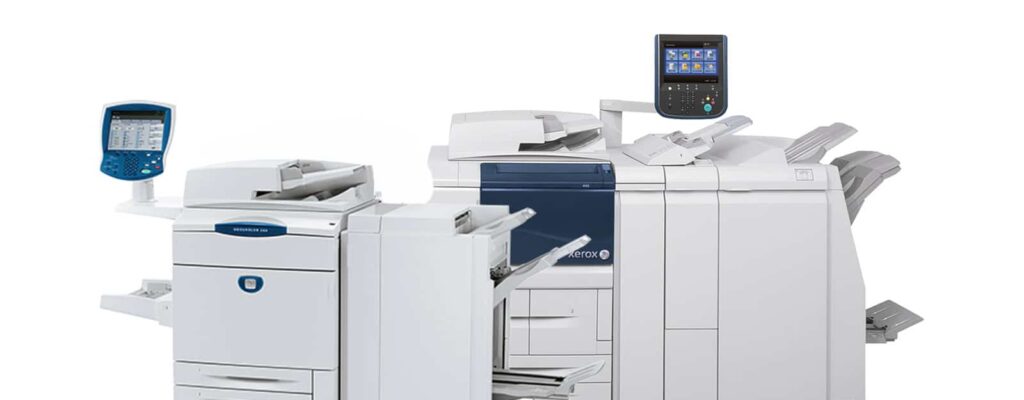
- Centralized fleet management improves uptime and cost control.
- The right print strategy supports both field and office teams.
In construction, printing isn’t an office chore — it’s a risk multiplier.
One outdated set of plans, one missing addendum, one crew working from yesterday’s revision, and suddenly you’re burning time, money, and goodwill faster than a concrete pour on a hot day.
At Kelley Create, we’ve worked with construction companies long enough to know this truth: print problems rarely look like print problems. They show up as rework, delays, change orders, and finger-pointing between the field and the office.
The good news? Modern print solutions — when designed specifically for construction workflows — can eliminate a lot of that friction. Below are six print solutions that actually hold up in real-world construction environments, from the trailer to the boardroom.
1. Wide-Format Printing for Plans, Blueprints, and Revisions
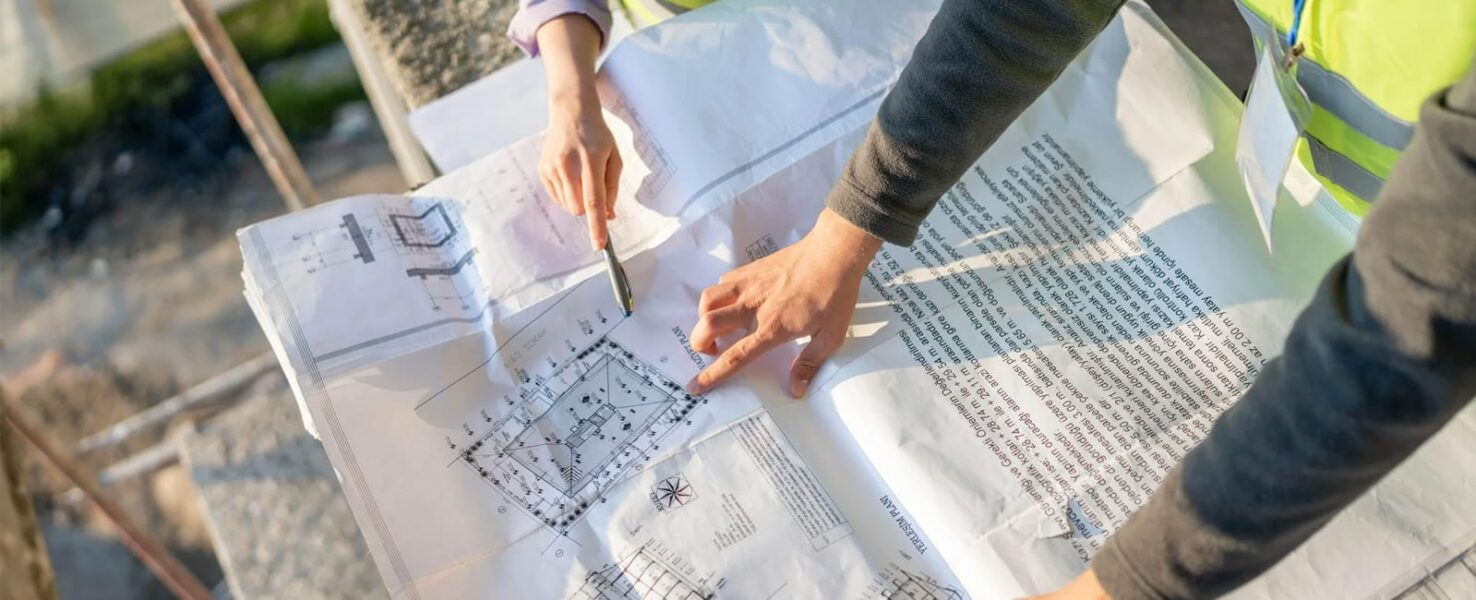
Construction lives on large-format documents. Floor plans, site maps, elevations, and schematics still need to be printed — often at the last minute and often at scale.
A modern wide-format print solution allows teams to:
-
Print full-size drawings in-house
-
Turn around revisions quickly
-
Reduce dependency on external repro shops
When paired with cloud access to current plan sets, wide-format printers help ensure crews are working from the latest approved version, not whatever happened to be taped to the wall last week.
Many firms integrate wide-format printing directly with platforms such as Autodesk’s Engineering & Construction Collection, which centralize plan management and version control across teams and locations.
2. Cloud-Based Print Access for Office and Field Teams
Construction companies don’t operate from a single building — and their print infrastructure shouldn’t either.
Cloud-enabled print solutions allow:
-
Office staff to print centrally
-
Field teams to submit jobs remotely
-
Jobs to be released securely at designated devices
This is especially valuable when project managers, estimators, and supervisors move between jobsites and offices. With cloud printing, location stops being a bottleneck — and printing becomes an on-demand utility instead of a fixed asset.
Cloud print access also simplifies IT management by reducing local print servers and minimizing configuration headaches across multiple sites.
3. Secure Print Release to Prevent Costly Mistakes
In construction, sensitive documents are everywhere:
-
Bid packages
-
Contracts
-
Change orders
-
Payroll and HR paperwork
Secure print release ensures documents don’t print until the authorized user is physically at the device. That prevents confidential materials from sitting unattended in shared offices or jobsite trailers — and reduces wasted prints when jobs are sent accidentally or prematurely.
Secure workflows also support accountability and auditability, which matters more as construction firms grow and take on larger, regulated projects.
4. Mobile Printing for Jobsite Reality
Jobsites are mobile by nature. Tablets, phones, and rugged laptops are now standard tools — and print solutions need to keep up.
Mobile printing allows supervisors and field leads to:
-
Print drawings or documents directly from mobile devices
-
Avoid driver installs and device compatibility issues
-
Respond faster to last-minute changes
This is especially effective when paired with mobile-friendly document platforms like Procore, which many construction firms already use to manage drawings, RFIs, and project documentation.
When mobile printing works well, it removes friction between digital tools and physical deliverables — which is exactly where construction teams live.
5. Centralized Fleet Management Across Offices and Jobsites
As construction companies grow, their printer fleets tend to grow in… chaotic ways.
Different models. Different vendors. Different toner. Different support contracts.
Centralized print fleet management brings order to that chaos by:
-
Standardizing devices across locations
-
Monitoring usage and supply levels
-
Proactively servicing equipment before it fails
This matters because printer downtime on a jobsite isn’t just inconvenient — it can stall workflows, delay inspections, or force expensive workarounds.
Fleet visibility also gives leadership real data on print costs, usage patterns, and opportunities to consolidate or optimize equipment.
6. Cost Control and Accountability That Scale With the Business
Print costs in construction don’t usually explode overnight — they creep.
More jobs. More crews. More revisions. More reprints.
Modern print solutions allow companies to:
-
Track usage by project, department, or user
-
Allocate costs accurately
-
Identify waste and inefficiencies
This level of visibility supports better forecasting and helps leadership tie print expenses directly to project activity — instead of treating them as an invisible overhead line item.
It also reinforces a culture of accountability without slowing anyone down.
Why Construction Companies Need Purpose-Built Print Solutions
Construction firms face a unique combination of challenges:
-
Distributed teams
-
Time-sensitive documentation
-
High costs of error
-
Harsh environments
-
Constant change
Generic office print setups don’t hold up under those conditions.
Purpose-built print solutions, designed around speed, accuracy, security, and mobility, help construction companies:
-
Reduce rework
-
Improve communication
-
Keep crews aligned
-
Protect sensitive documents
-
Scale operations without scaling chaos
FAQs
-
Yes. While digital plans are essential, printed drawings remain critical for field work, markups, inspections, and quick reference.
-
Yes. While digital plans are essential, printed drawings remain critical for field work, markups, inspections, and quick reference.
-
It prevents sensitive documents from being left unattended and reduces wasted prints — especially in shared or temporary environments.
-
Modern print solutions allow cost allocation by user, department, or project, improving transparency and budgeting accuracy.
-
Treating print like a back-office function instead of a core operational system.